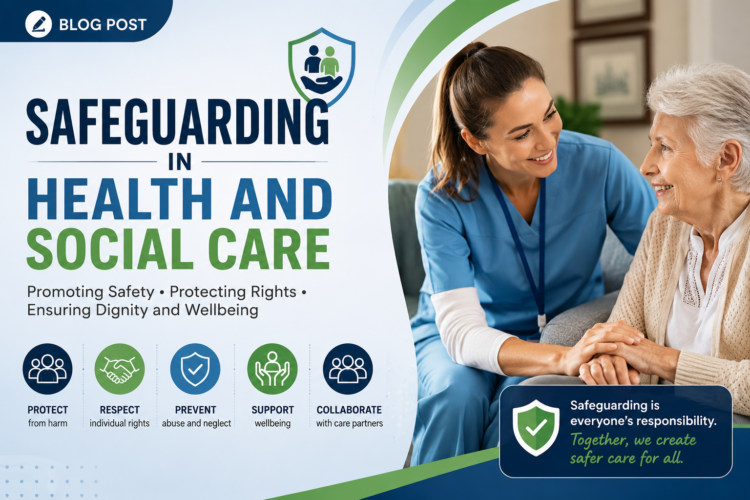
Safeguarding in health and social care is a fundamental concept designed to protect individuals’ health, wellbeing, and human rights. It ensures that people, particularly those who are vulnerable such as children, older adults, and individuals with disabilities, are safe from harm, abuse, and neglect. In today’s complex care environments, safeguarding plays a critical role in maintaining trust and delivering high-quality care services.
Professionals working within health and social care settings must understand their responsibilities when it comes to identifying risks and taking appropriate action. Safeguarding is not just about reacting to incidents but also about preventing harm before it occurs. This involves creating safe environments, promoting dignity, and empowering individuals to make informed decisions about their own lives.
With increasing awareness around issues such as domestic abuse, neglect, and exploitation, safeguarding has become more prominent in policies and everyday practice. Organisations are required to follow strict guidelines and procedures to ensure compliance and accountability. Ultimately, safeguarding is everyone’s responsibility, and a proactive approach is essential to ensure that all individuals receive safe, respectful, and person-centred care.

What Is Safeguarding in Health and Social Care?
Safeguarding in health and social care refers to the measures taken to protect individuals’ rights to live safely, free from abuse and neglect. It involves a combination of policies, procedures, and practices designed to prevent harm and respond effectively when concerns arise. Safeguarding applies to both children and adults, though the specific frameworks may differ depending on the group being supported. At its heart, safeguarding promotes dignity, respect, and person-centred care, ensuring individuals are treated fairly and their voices are heard.
Why Safeguarding Is Important
Safeguarding is essential because it ensures that vulnerable individuals are protected from harm while maintaining their independence and quality of life. Without proper safeguarding measures, individuals may be exposed to risks such as physical abuse, emotional harm, financial exploitation, or neglect. Effective safeguarding builds trust between care providers and service users, ensuring that people feel safe and supported. It also helps organisations meet legal and ethical standards, reducing the likelihood of serious incidents and improving overall care quality.
Types of Abuse in Health and Social Care
Understanding different types of abuse is crucial for effective safeguarding. Abuse can take many forms, including physical, emotional, sexual, financial, and institutional abuse. Neglect is another common concern, where individuals do not receive the care they need. Recognising these types allows professionals to identify warning signs early and take appropriate action. Each type of abuse may present differently, making awareness and training vital for anyone working in care settings.
Common types of abuse include:
- Physical abuse (hitting, misuse of medication)
- Emotional or psychological abuse (threats, humiliation)
- Sexual abuse (non-consensual acts)
- Financial abuse (theft, fraud)
- Neglect (failure to meet basic needs)
- Discriminatory abuse (based on race, gender, disability)
Key Principles of Safeguarding
Safeguarding in health and social care is guided by a set of core principles that ensure consistent and ethical practice. These principles help professionals make informed decisions and prioritise the wellbeing of individuals.
|
Principle |
Description |
|
Empowerment |
Supporting individuals to make their own decisions |
|
Prevention |
Taking action before harm occurs |
|
Proportionality |
Responding appropriately to the level of risk |
|
Protection |
Providing support to those in greatest need |
|
Partnership |
Working with others to ensure safety |
|
Accountability |
Being transparent and responsible for actions |
These principles ensure that safeguarding is not just reactive but proactive, focusing on prevention and collaboration.
Roles and Responsibilities in Safeguarding
Safeguarding is a shared responsibility among all professionals working in health and social care. From frontline staff to management, everyone plays a role in ensuring safety. Staff must be trained to recognise signs of abuse and understand reporting procedures. Organisations are responsible for implementing safeguarding policies, conducting risk assessments, and ensuring compliance with legal requirements.
Effective safeguarding also involves working with external agencies such as social services, healthcare providers, and law enforcement. Clear communication and collaboration are essential to ensure that concerns are addressed promptly and appropriately. By understanding their roles, professionals can contribute to a safer care environment.
Safeguarding Procedures and Reporting
When a safeguarding concern arises, it is crucial to follow established procedures to ensure the safety of the individual involved. This typically involves recognising signs of abuse, recording concerns accurately, and reporting them to the appropriate authority. Timely action is essential to prevent further harm.
Key steps in safeguarding procedures:
- Identify and recognise signs of abuse
- Record observations clearly and accurately
- Report concerns to a designated safeguarding lead
- Follow organisational policies and legal guidelines
- Cooperate with investigations if required
Proper documentation and adherence to procedures ensure accountability and help protect both individuals and professionals.
[FAQ SECTION]
- What is safeguarding in simple terms?
Safeguarding means protecting people’s health, wellbeing, and human rights, ensuring they are safe from harm, abuse, and neglect.
- Who is responsible for safeguarding?
Everyone working in health and social care has a responsibility for safeguarding, including staff, managers, and external agencies.
- What are the signs of abuse?
Signs may include unexplained injuries, changes in behaviour, withdrawal, poor hygiene, or financial irregularities.
- Why is safeguarding training important?
Training ensures that professionals can recognise risks, respond appropriately, and follow correct procedures to protect individuals.
- What should you do if you suspect abuse?
You should report your concerns immediately following your organisation’s safeguarding procedures and avoid ignoring the issue.